

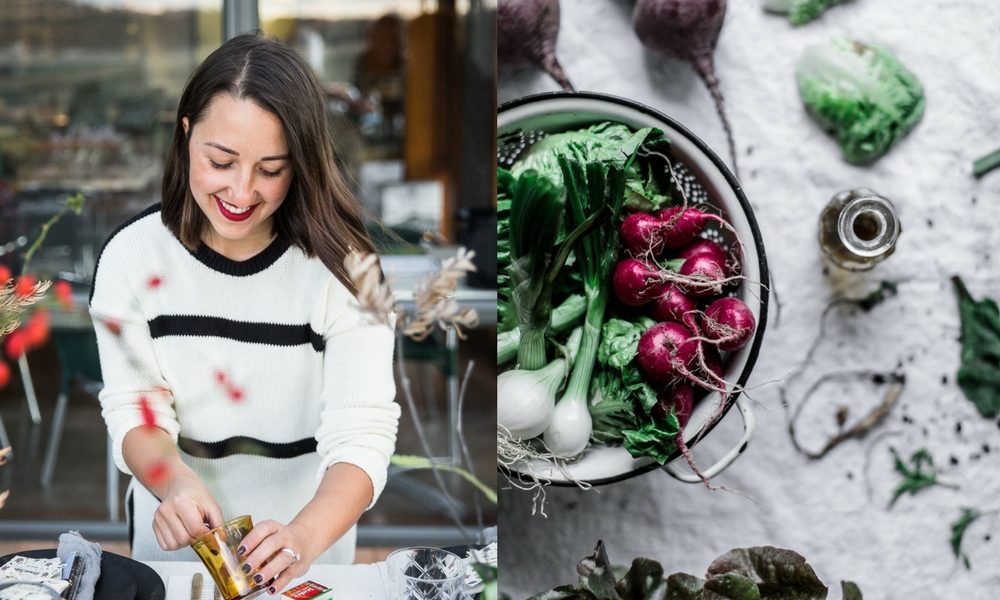
In the world of visual storytelling, food photography has become one of the most captivating and essential fields. A food photographer’s role goes beyond simply snapping pictures of meals; it’s about creating an atmosphere, evoking emotions, and enticing the viewer’s senses. Whether for a restaurant menu, a cookbook, or an Instagram post, food photography has evolved into an art form that requires skill, creativity, and a deep understanding of lighting, composition, and styling.
Food photography is not just about taking pretty pictures; it’s about making the viewer feel something. Great food photos evoke the aroma, texture, and taste of the food, making it irresistible. Whether you’re capturing a decadent chocolate cake or a fresh vegetable salad, each dish has its own story to tell. A skilled food photographer knows how to enhance these stories by highlighting the food’s best features, such as its color, texture, and shine.

One of the primary tools in a food photographer’s kit is lighting. Lighting plays a significant role in setting the mood and enhancing the appeal of the dish. Natural light, especially from windows, is often favored for its soft and flattering quality. However, artificial lighting can also be used to create dramatic shadows or highlight certain aspects of the food. A photographer must know how to manipulate light to avoid harsh shadows and overexposure, as these can detract from the dish’s visual appeal.
Composition is equally vital. A Miami Food Photographer must understand the principles of framing, balance, and symmetry. The arrangement of the food, props, and background must work together harmoniously to create a visually appealing image. Sometimes, a simple, minimalist approach is all it takes, while other times, the image may require more complex elements like layers of ingredients, utensils, and garnishes. The angles from which food is shot are also important. Close-up shots can emphasize texture, while wider shots can capture the context and ambiance of the setting.
Another crucial element in food photography is food styling. Food styling involves arranging and preparing the food to look its best for the camera. Many food photographers work closely with food stylists, professionals who have a deep knowledge of how food behaves under lighting and during the shooting process. Food styling involves techniques like using artificial garnishes, glazing the food to enhance its sheen, or even replacing ingredients that may not hold up under the pressure of a shoot.
The digital age has also introduced the power of editing software to food photography. Post-production can significantly enhance the final image. While food photography should strive for authenticity, subtle edits can bring out colors, correct lighting issues, and remove distractions, ensuring the food looks as appetizing as possible.
Food photography is both an art and a science. It requires a combination of technical knowledge, creativity, and a passion for food. A talented Miami Food Photographer could turn everyday meals into visual masterpieces, making them not just something to eat but something to experience. With its growing popularity, food photography continues to inspire culinary creators, businesses, and food lovers alike.