

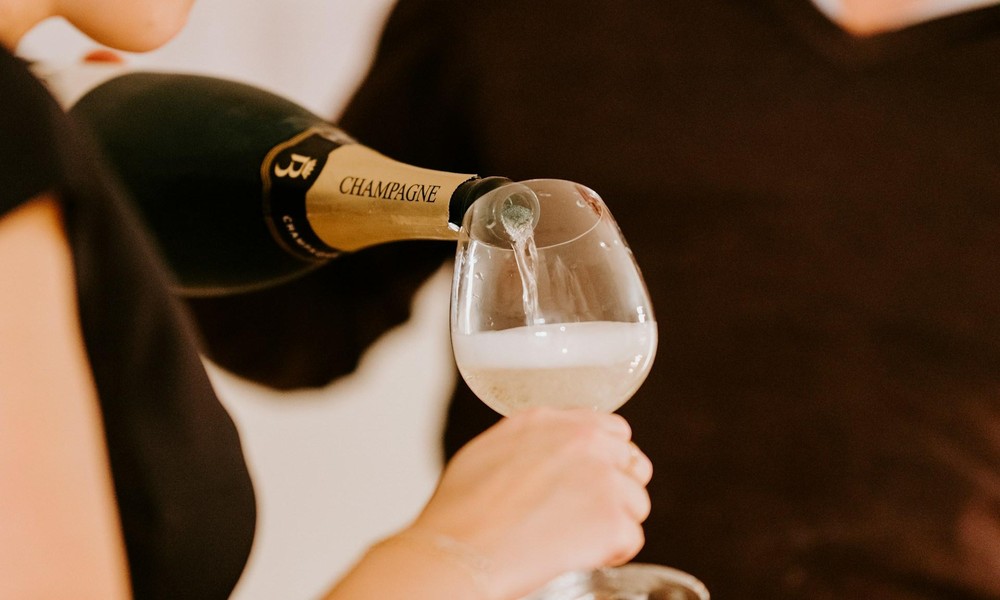
Classic vintage champagne is not just a celebratory drink. It is a snapshot of a year, shaped by weather, patience, and the quiet decisions made in the cellar. When it reaches the table, it deserves more than a casual pairing. The right food can amplify its finesse, underline its complexity, and turn a glass into a complete sensory moment. From seafood to unexpected comfort dishes, vintage champagne reveals its true elegance when matched with intention rather than habit.
Why classic vintage champagne invites precise pairings
Unlike non-vintage cuvées, a classic vintage champagne reflects a single harvest, often marked by longer aging on lees. This gives the wine depth, layered aromas, and a texture that goes beyond freshness alone. Notes of brioche, toasted nuts, citrus peel, and stone fruit sit alongside a vibrant acidity and fine bubbles. Food pairings should respect that balance, enhancing structure without overpowering delicacy.
In practical terms, this means choosing dishes that echo the wine’s texture or contrast it gently. A silky sauce, a subtle umami note, or a touch of salinity can bring the wine into sharper focus. For those looking to explore iconic expressions, it can be helpful to find out about Dom Perignon classic champagne, a benchmark vintage style often cited for its balance between power and restraint.
Seafood beyond the obvious
Shellfish with texture
Oysters are a familiar match, but vintage champagne often benefits from shellfish with a bit more body. Think scallops lightly seared in butter, or lobster served simply with a citrus-infused oil. The wine’s acidity cuts through richness, while its autolytic notes mirror the sweetness of the flesh. Avoid heavy spices; precision matters more than intensity.
Raw fish and subtle umami
Sashimi, carpaccio of sea bass, or tuna tartare seasoned with restraint can be exceptional partners. The clean flavors allow the champagne’s minerality to shine, while the natural umami in the fish adds depth. A hint of sesame or yuzu works better than soy-heavy marinades, which can overwhelm the wine.
Poultry, a quiet classic
Roast chicken might sound modest, but with vintage champagne it becomes quietly luxurious. The browned skin reflects the wine’s toasted notes, while the juicy meat aligns with its roundness. Add a light cream or mushroom-based sauce and the pairing gains another dimension. Guinea fowl or turkey, especially when roasted with herbs, follows the same logic, offering structure without heaviness.
Cheese that respects finesse
Cheese can be tricky, yet certain styles shine with aged champagne. Hard, nutty cheeses such as comté or aged parmesan echo the wine’s brioche and almond aromas. Soft cheeses with bloomy rinds, like brie de meaux, work when they are not overly ripe. Blue cheeses, by contrast, tend to dominate and mask the wine’s nuance.
Unexpected comfort food pairings
One of the pleasures of classic vintage champagne is its versatility at the table. Well-made fried chicken, with a crisp, clean crust, plays beautifully against the wine’s acidity and bubbles. The contrast feels modern and relaxed, yet surprisingly refined. Similarly, potato-based dishes, from pommes dauphine to a simple gratin, highlight the wine’s creamy texture without stealing attention.
Vegetables and earth-driven dishes
Vintage champagne is not reserved for animal proteins. Dishes built around mushrooms, truffles, or roasted root vegetables can be compelling partners. Their earthy notes resonate with the wine’s maturity, especially in older vintages. Keep preparations focused and avoid excessive sweetness, which can flatten the wine’s energy.
Sweetness at the end, with caution
Dessert is rarely the best moment for a dry vintage champagne, but lightly sweet options can work. A tarte tatin with restrained caramel, or a citrus-based dessert with minimal sugar, allows the wine to remain expressive. In many cases, however, the better choice is to enjoy the champagne with the main course and switch to something else afterward.
A table that lets the vintage speak
Pairing food with a classic vintage champagne is less about rules and more about listening. The wine already carries the story of a year and years of aging. Thoughtful dishes, prepared with balance and respect for texture, allow that story to unfold naturally. When the plate and the glass move in the same direction, elegance stops being an abstract idea and becomes something you can taste.